
Common Appliance Problems in Norton Homes
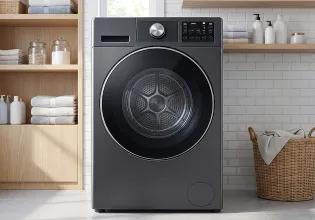
A dryer that takes two full cycles to dry a single load is more than an inconvenience — in many of Norton's older single-family homes, the vent run from the laundry area through a basement wall can be long enough that even moderate lint buildup chokes airflow fast. That kind of problem turns into a safety issue quickly.
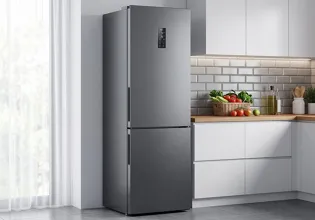
- Refrigerators that stop cooling often have a condenser coil caked with dust, especially when the fridge sits in a tight kitchen alcove with limited ventilation behind the unit.
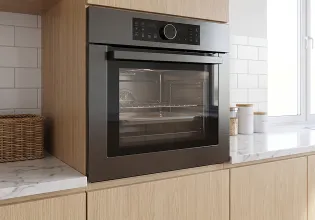
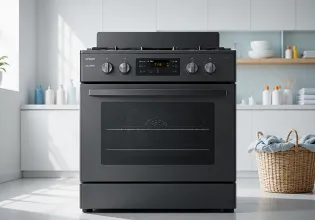
- Gas stoves and ovens that won't ignite or heat unevenly — usually a faulty igniter or a burner port blocked by residue. If you smell gas but nothing lights, shut the valve and call before troubleshooting further.
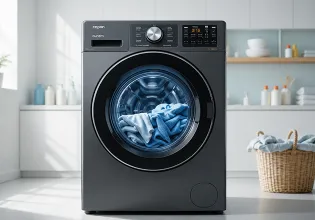
- Washers leaking onto a basement floor. We often see this when old supply hoses finally crack or when the drain hose slips out of a standpipe that was never properly secured.
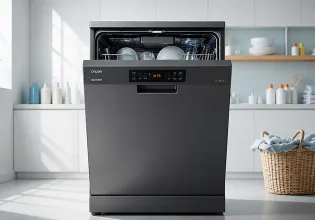
- Dishwashers leaving dishes wet or dirty at the end of a cycle, which can point to a worn wash motor, a clogged spray arm, or a drain pump that isn't clearing water between stages.
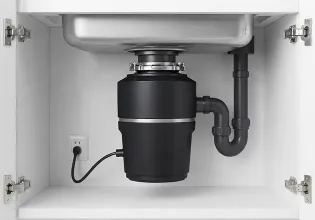
- Garbage disposals that hum but don't spin — worth checking for a jammed flywheel before assuming the motor burned out.
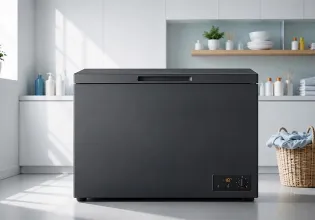
- Freezers building heavy frost on the back wall, a sign the defrost heater or thermostat has failed. In a standalone chest freezer in a garage, temperature swings between seasons make this more common.
Local Utility, Permit, Safety, and Disposal Factors in Norton
Norton's Building Department handles permits for gas, electrical, and plumbing work tied to appliance installations. If your gas range needs to be replaced rather than repaired, the installer has to pull a gas permit through Norton Building and Inspectional Services permit requirements before connecting the new unit. The same applies to electrical permits for a new dryer circuit and plumbing permits when a dishwasher or garbage disposal involves changes to water supply or drain connections. In every case, Norton requires that the permit be pulled by a licensed contractor in the relevant trade — not the homeowner. So before you hire someone, ask whether they hold the right Massachusetts license and whether they'll handle the permit themselves.
That matters more than it sounds. Under the Massachusetts State Plumbing Code, plumbing and gas fitting work on appliances must be done by a licensed professional. If an unlicensed person hooks up your new dishwasher and the connection fails inspection, you could be looking at remediation costs on top of the original bill. Check the license first.
On the safety side, the Norton Fire Department home safety guidance flags dryer lint buildup as a leading cause of residential fires and recommends regular vent cleaning. In older Norton homes where the dryer sits in the basement and the vent runs up and out through a first-floor wall, that vent path can be eight or ten feet long with a couple of elbows. Lint collects in every turn. If your dryer is overheating or shutting off mid-cycle, a blocked vent is the first thing to rule out.
Norton homes with gas stoves, ovens, or boilers are also required to have working carbon monoxide detectors under Massachusetts State Fire Code 527 CMR. If you're replacing a gas appliance, confirm that your CO detectors are current and properly placed — the installer should be checking, but it's worth verifying yourself.
Water-connected appliances like washers, dishwashers, and garbage disposals run on Norton's own municipal water and sewer system. The Norton Water and Sewer Department maintains the supply lines and sewer connections throughout town. In older homes, supply line integrity and water pressure can both affect appliance performance. A dishwasher that fills too slowly or a washer that won't complete a rinse cycle may not have a mechanical problem at all — the issue could be a partially closed shutoff valve or corroded supply piping upstream of the appliance.
If an appliance can't be saved and you need to get rid of it, Norton doesn't allow you to just drag a dead refrigerator to the curb on trash day. Under the Norton Department of Public Works solid waste and recycling program, residents must schedule bulky item pickups through the DPW for large appliances like refrigerators, washers, and dryers. Appliances that contain refrigerants — refrigerators and freezers — require special handling before the town will collect them. Norton also offers drop-off options at the transfer station. Call the DPW before you assume the old unit can just go out with the next collection.
Norton Building Department
70 East Main Street
Norton, MA 02766
Phone: (508) 285-0251
Official Website
What Makes Appliance Repair in Norton Different
Norton is a small town in Bristol County with a housing stock that leans heavily toward single-family homes, many of them built decades ago. That means a lot of the kitchens and laundry areas we work in weren't designed for today's full-size appliances. A 36-inch French-door refrigerator doesn't always clear the doorframe of a 1960s ranch without removing the doors first. Basement laundry setups often have low ceilings and a single floor drain that serves both the washer and the utility sink, so a drain backup can affect everything at once.
What sets Norton apart from neighboring towns is the combination of its own municipal water and sewer system, its DPW-managed bulky pickup scheduling, and a building department that requires separate gas, electrical, and plumbing permits for appliance work — each pulled by a licensed contractor. In a larger city, some of that gets streamlined through online portals. In Norton, the process runs through town hall at 70 East Main Street. Homeowners who are used to just swapping out an appliance and moving on should know that replacement work here often involves a permit step and, for refrigerant-containing units, a disposal step that has to be coordinated with the DPW separately.
Appliance Replacement and Household Equipment Considerations in Norton
When repair no longer makes sense — the compressor on a fifteen-year-old refrigerator fails, or a washer's transmission gives out — the next steps in Norton involve more than picking a new model. Start with disposal. You can't leave the old appliance at the curb for regular trash collection. You'll need to contact the Norton DPW at (508) 285-0253 to schedule a bulky item pickup, or arrange to bring it to the transfer station yourself. Refrigerators and freezers require refrigerant handling before the town will accept them, so plan for that extra step.
On the installation side, think about what connections the new appliance needs. Swapping a gas range for another gas range at the same hookup is usually straightforward, but if you're upgrading from electric to gas — or adding a dishwasher where there wasn't one before — the work will trigger permit requirements. A gas permit for the new connection, a plumbing permit if you're running a new water line, an electrical permit if the circuit needs to change. Each permit must be pulled by the licensed contractor doing that portion of the work. Ask the installer up front whether they're covering all the permits, or whether you'll need to coordinate separate trades.
Massachusetts Consumer Protection Law Chapter 93A also protects Norton residents from deceptive pricing or misrepresentation by repair and installation providers. If a company quotes one price and charges another, or misrepresents the work they performed, you have the right to file a complaint with the Attorney General's office. It's worth knowing that before you sign anything.
Norton Department of Public Works
70 East Main Street
Norton, MA 02766
Phone: (508) 285-0253
Official Website
Areas We Serve Throughout Norton
We provide appliance repair service to homes throughout the Town of Norton. Since no official neighborhood boundaries are designated by the town, we serve all residential areas across Norton's roughly 28 square miles of mixed housing stock. Here's a sense of what we typically encounter across different parts of town:
- Homes near Norton Center — Many of the older homes here have compact kitchens where pulling a dishwasher out for service means working around original cabinetry that wasn't built with standard appliance widths in mind.
- Properties along Route 140 — A mix of housing ages. Dryer vents in split-level homes along this corridor often run through interior walls with extra bends, which increases lint accumulation.
- Residential areas near Wheaton College — Some rental properties in this part of town see heavier appliance use. Washers and dishwashers tend to need service more frequently when multiple tenants share them.
- Homes off East Main Street — Older single-family homes where basement laundry setups are common. Worth checking the age of rubber supply hoses if they haven't been replaced in five or more years.
- South Norton residential areas — Newer construction mixed with older lots. We often see refrigerators struggling in garages that aren't climate-controlled, especially during summer heat.
- Properties near Chartley Pond — Single-family homes where well water was once common but most are now on the municipal system. If an appliance was originally plumbed for well water, the fittings may not match current supply line standards.
- West Norton homes — Larger lots with standalone freezers in garages or sheds. Chest freezers in unheated spaces cycle harder during cold snaps, which wears out compressors faster.
- Homes near Norton Reservoir — Mostly single-family residential. Gas appliance service calls here often involve older shutoff valves that are stiff or partially seized, making it hard to isolate the appliance for safe repair.